
Hey guys! I'm a supplier of heat resistant tile magnets, and today I wanna talk about whether these bad - boys can be used in 3D printing.
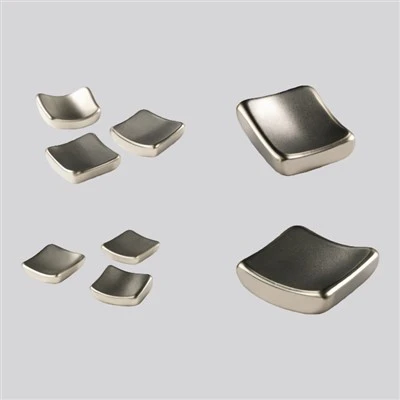
First off, let's get into what heat resistant tile magnets actually are. Heat resistant tile magnets are basically magnets in a tile shape that can withstand high temperatures without losing their magnetic properties. We offer a bunch of different types, like Strong Magnetic Force Tile Magnets, which have a really powerful magnetic field, Nickel Plating Tile Magnets with a nice, protective nickel coating, Zn Coated Tile Magnets, Corrosion Resistant Tile Magnets and High Quality Tile Magnets.
Now, 3D printing has been a game - changer in so many industries. It allows for rapid prototyping, customized manufacturing, and all sorts of cool stuff. But the question is, where can heat resistant tile magnets fit into this?
One of the key aspects of 3D printing is the build platform. A stable and well - attached build platform is crucial for getting high - quality prints. The heat generated during the 3D printing process can be significant, especially when using materials like ABS that require a heated bed. That's where our heat resistant tile magnets come in handy.
We can use these magnets to secure the build plate firmly in place on the 3D printer base. Unlike some traditional methods of securing the build plate, such as using clips or adhesives, magnets provide a strong and reliable connection. And since they're heat resistant, they won't lose their magnetic strength due to the high temperatures generated by the printer's heated bed. This ensures that the build plate stays exactly where it should be throughout the printing process, reducing the risk of misalignment and warping in the printed object.

Another area where heat resistant tile magnets could be useful is in the filament management system of a 3D printer. Some 3D printers use a spool holder to keep the filament organized. We could potentially use these magnets to attach the spool holder to the printer frame. The high - temperature environment around the printer, especially near the extruder, won't affect the magnets' performance. This means that the spool holder will stay firmly attached, providing a smooth and consistent feed of the filament during printing.
But hey, it's not all sunshine and rainbows. There are some challenges too. For example, magnets can interfere with the electronic components in the 3D printer. The magnetic field might cause issues with the sensors, motors, or control boards. To overcome this, we need to be really careful about where we place the magnets. We have to make sure they're far enough away from sensitive electronic parts.
Also, when it comes to the actual integration of the magnets into the 3D printer design, there are engineering challenges. We need to figure out the right size, shape, and strength of the magnets to optimize their performance. For instance, if the magnet is too strong, it might be difficult to remove the build plate when needed. On the other hand, if it's too weak, it won't hold the build plate securely.
However, in my experience as a heat resistant tile magnet supplier, I've seen more and more 3D printer manufacturers and hobbyists start to explore the potential of these magnets. They're realizing the benefits that heat resistant tile magnets can bring to the 3D printing process.

If you're in the 3D printing industry, either as a manufacturer or an enthusiast, I highly recommend considering heat resistant tile magnets for your 3D printers. They can add an extra level of stability and reliability to your printing process.
If you're interested in learning more about our heat resistant tile magnets or discussing potential applications in 3D printing, don't hesitate to reach out. We're always happy to have a conversation and figure out the best solutions for your needs. You can get in touch with us or visit our website for more details about all our products, including those amazing tile magnets I've mentioned.