
As a supplier of high-quality tile magnets, I often get questions from customers about the impact of electromagnetic fields on these magnets. It's a really interesting topic, so I thought I'd share some insights in this blog post.
Understanding Tile Magnets
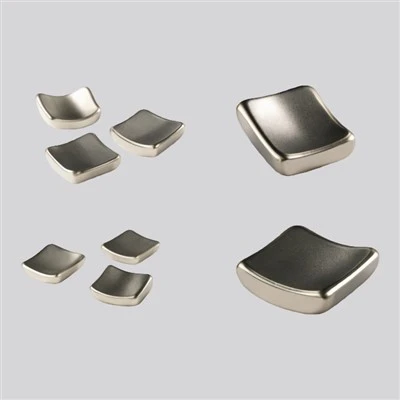
First off, let me give you a quick rundown on tile magnets. These are flat, rectangular magnets that come in various sizes and strengths. They're super versatile and are used in a ton of applications, from holding things together in industrial settings to adding a dash of creativity in DIY projects.
At our place, we offer a wide range of tile magnets, each with its own set of features. For instance, we have Corrosion Resistant Tile Magnets that are perfect for environments where moisture or chemicals are a concern. These magnets are coated to prevent rust and corrosion, ensuring they last a long time.
Then there are the Zn Coated Tile Magnets. The zinc coating not only gives them a nice finish but also adds an extra layer of protection. These magnets are known for their durability and ability to withstand harsh conditions.
Our Strong Stability Tile Magnets are designed to stay in place once they're positioned. They're great for applications where you need a reliable and stable magnetic hold.
If you're looking for magnets with a real punch, our Strong Magnetic Force Tile Magnets are the way to go. They can hold heavy objects with ease and are often used in industrial lifting and clamping applications.
And for those who prefer a more aesthetically pleasing option, we have Black Epoxy Coating Tile Magnets. The black epoxy coating gives them a sleek and professional look, making them suitable for both practical and decorative use.

How Electromagnetic Fields Work
Now, let's talk about electromagnetic fields. An electromagnetic field is a physical field produced by electrically charged objects. These fields can be static, like the magnetic field around a permanent magnet, or they can be dynamic, like the fields generated by alternating current (AC) in electrical wires.
Electromagnetic fields are all around us. They're in our homes, in our workplaces, and even in nature. Power lines, electrical appliances, and mobile phones are just a few sources of electromagnetic fields.
The strength of an electromagnetic field is measured in units called teslas (T) or gauss (G). For reference, the Earth's magnetic field at the surface is about 0.5 gauss, which is a very weak field.
The Impact of Electromagnetic Fields on Tile Magnets
So, the big question is: are high-quality tile magnets affected by electromagnetic fields? Well, the answer is it depends.
Temporary Changes: When a tile magnet is exposed to an external electromagnetic field, it can experience temporary changes in its magnetic properties. If the external field is strong enough and in the right direction, it can cause the magnetic domains within the tile magnet to align differently. This can result in a temporary increase or decrease in the magnet's magnetic strength.
For example, if you place a tile magnet near a powerful electromagnet, the magnetic field of the electromagnet can interact with the tile magnet. If the fields are aligned in the same direction, the combined effect can make the overall magnetic field stronger in that area. On the other hand, if the fields are opposite in direction, they can partially cancel each other out, reducing the effective magnetic strength.
Permanent Demagnetization: In extreme cases, a very strong electromagnetic field can actually cause permanent demagnetization of a tile magnet. This usually happens when the external field is strong enough to disrupt the magnetic alignment of the domains within the magnet to the point where they can't return to their original state.
The likelihood of permanent demagnetization depends on several factors, including the strength and duration of the external field, the type of material the tile magnet is made of, and its temperature. Some types of magnet materials are more resistant to demagnetization than others. For example, neodymium magnets are very strong but can be more easily demagnetized compared to ceramic magnets if exposed to a strong enough external field.
Protecting Tile Magnets from Electromagnetic Fields
If your application involves exposure to electromagnetic fields, there are a few things you can do to protect your tile magnets.
Shielding: One option is to use magnetic shielding materials. These materials are designed to redirect or absorb the magnetic field, reducing its impact on the tile magnet. Common shielding materials include mu-metal, which has a high magnetic permeability and can effectively redirect magnetic fields around the object you're trying to protect.
Proper Placement: Another way is to carefully consider the placement of the tile magnets. Try to keep them away from sources of strong electromagnetic fields, such as large electrical motors, transformers, or high-voltage power lines.

Choosing the Right Magnet: Selecting the right type of tile magnet for your application is also crucial. If you know your magnets will be exposed to electromagnetic fields, choose a magnet material that is more resistant to demagnetization.
Conclusion
In conclusion, high-quality tile magnets can be affected by electromagnetic fields, but the extent of the impact varies depending on several factors. As a supplier, we're always here to help you choose the right tile magnets for your needs and provide advice on how to protect them.
If you're in the market for high-quality tile magnets or have any questions about the impact of electromagnetic fields on our products, feel free to reach out. We'd love to have a chat and discuss your specific requirements.