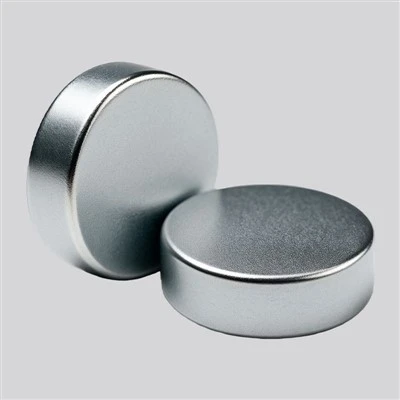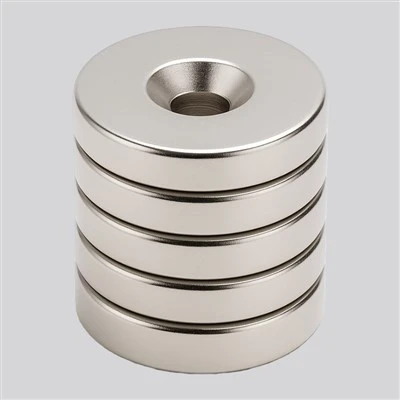
When using round countersunk magnets, safety should be a primary consideration. As a supplier of various types-including Nickel Plating Round Countersunk Magnets, Zn Coated Round Countersunk Magnets, Heat Resistant Round Countersunk Magnets, and Strong Stability Round Countersunk Magnets-we often discuss safety practices with customers. This guide outlines key precautions to help ensure safe handling and use.
Key Takeaways
| ⚠️ Pinching risk is real | Powerful magnets can snap together with force. Handle individually and use tools for positioning. |
| 📱 Keep away from electronics | Magnetic fields can disrupt pacemakers, hard drives, and sensitive equipment. |
| 🥽 Protect your eyes | Magnets can chip or break, sending sharp debris into the air. Safety goggles are recommended. |
| 🚫 Ingestion is a serious hazard | Especially for children and pets. Store securely and provide clear warnings. |
| 🌡️ Temperature limits matter | Exceeding rated temperatures can cause demagnetization or damage. Check specifications for your environment. |
| 🏠 Store magnets separately | Use non-magnetic dividers to prevent magnets from attracting and damaging each other. |
Danger of Pinching and Crushing
One of the most immediate safety concerns with round countersunk magnets is the risk of pinching and crushing injuries. These magnets are often quite powerful, and when they come close to each other or other magnetic objects, they can snap together with significant force. If multiple magnets are handled at once and accidentally attract, fingers or other body parts could get caught between them.
reduce this risk:
•Handle magnets one at a time whenever possible
•Move magnets slowly when bringing them together
•Use non-magnetic tools like tweezers or pliers for positioning
•Maintain control during assembly or testing
Keep Away from Electronics
Round countersunk magnets generate magnetic fields that can interfere with electronic devices. Potential effects include:
•Disrupting data stored on hard drives
•Distorting CRT monitor displays
•Interfering with pacemakers and other medical devices
A safe distance should be maintained between magnets and all electronic equipment. In work areas where electronics are present, it is helpful to mark zones where magnets should not be brought.
Protect Eyes from Flying Debris
Magnets can break or chip during handling, impact, or machining operations. Small, sharp fragments may fly into the eyes, causing injury.
Recommended precautions:
•Wear safety goggles when working with magnets
•Use eye protection especially during cutting, grinding, or fitting
•Keep an emergency eyewash station nearby
Avoid Ingestion
Ingestion of small magnets poses a serious safety hazard, particularly for children and pets. If swallowed, magnets can attract each other through the walls of the digestive tract, potentially causing internal injuries such as perforation, obstruction, or infection.
Recommended measures:
•Keep magnets out of reach of children and pets
•Store magnets in secure, labeled containers
•Include clear warnings on packaging
•Seek medical attention immediately if ingestion is suspected
Temperature and Environment Considerations
Different round countersunk magnets have different temperature ratings. Exceeding these limits can cause loss of magnetic properties or physical damage. For example:
•Some magnets become brittle at very low temperatures
•Others may demagnetize at high temperatures
Heat Resistant Round Countersunk Magnets are designed for higher-temperature applications but still have specific limits
Environmental factors also matter. Some environments contain chemicals that can corrode the magnet surface. Zn Coated Round Countersunk Magnets offer improved corrosion resistance, but additional protection may be needed in highly corrosive conditions. Select the magnet type based on the actual temperature and environmental conditions of your application.

Storage Precautions
Proper storage maintains both safety and performance:
•Keep magnets separated to prevent them from attracting and damaging each other
•Use non-magnetic dividers or containers
•Store away from magnetic materials that could be attracted
•Avoid storing near sensitive electronics or magnetic media
Handling and Installation
During installation, following correct procedures helps ensure reliable performance:
•Clean the mounting surface before installation to remove dirt or debris
•Use tools for placement in tight spaces
•Use a depth gauge to verify correct insertion depth
•Avoid excessive force-this can break the magnet or damage the substrate
Fire and Explosion Risks
While the risk is low, certain conditions can create hazards. In flammable environments, friction from moving magnets or sudden attraction could generate sparks. Even though magnets themselves are not flammable, they should be used in non-flammable environments where possible.
In potentially hazardous areas:
•Consider grounding the magnets to prevent static electricity buildup
•Avoid use in atmospheres with flammable gases or dust
Warnings on Product Packaging
Clear safety information on product packaging helps users understand potential hazards. Labels should include warnings about:
•Pinching risks
•Ingestion hazards
•Effects on electronics
•Temperature limitations
•Proper handling and storage
Training and Education
For businesses using round countersunk magnets in operations, employee training is important:
•Cover safe handling, storage, and installation procedures
•Teach recognition of potential hazards
•Explain steps to take in case of an accident
•Include safety training as part of regular onboarding and refresher courses
Conclusion
Using round countersunk magnets safely requires awareness of potential hazards and adoption of proper precautions. From avoiding pinching injuries to protecting electronics and ensuring proper storage, each step contributes to safer operation.
If you have questions about safety precautions or product specifications, we are happy to discuss your requirements.
📧 Email: Info@jinconn.com
📱 Phone/WhatsApp: +86 13829120676
📍 Address: Xiaohe Industrial Zone, Daojiao Town, Dongguan City, Guangdong, China