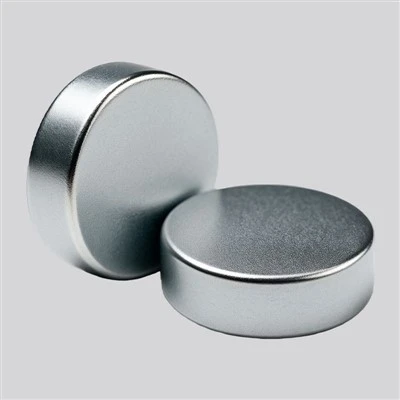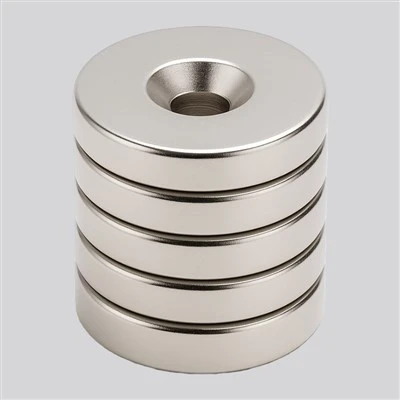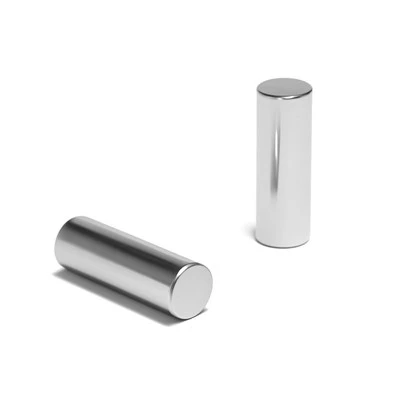
High Remanence Tile Magnets are commonly used in motors and generators where curved magnets need to fit around a rotor or other circular assembly. When selecting these magnets, engineers need to consider their magnetic properties, shape, and how they fit into the overall design.
A high Br value alone does not guarantee that a magnet is suitable for every application. Rotor dimensions, operating temperature, dimensional tolerances, and magnetization direction also need to meet the design requirements. Checking these factors early helps buyers avoid unnecessary adjustments during product development and repeat production.
Jinconn supplies permanent magnets and custom magnetic components for a range of industrial applications. By sharing drawings, operating conditions, and key specifications, buyers can work with the team to identify a suitable magnet solution for their projects.
Choosing the Right High Remanence Tile Magnets
Remanence (Br) describes the magnetic flux density that a permanent magnet retains after magnetization. A higher value can help engineers achieve the required magnetic output within a limited space.
Even so, remanence alone does not determine motor performance. The air gap, rotor geometry, winding design, and overall magnetic circuit also influence the result.
Before requesting a quotation, buyers should clarify the application's main requirements. These may include the target magnetic flux, available installation space, operating speed, and expected temperature range.
With this information, the supplier can assess the required magnet grade and dimensions more accurately. This approach also reduces the risk of selecting a magnet that meets the basic specifications but does not suit the actual assembly.
Choosing the Right Tile Magnet Shape for Your Motor
Tile magnets have a curved profile that allows multiple segments to fit around a circular assembly. This makes them suitable for motor rotors and other magnetic systems with limited installation space.
Nevertheless, small dimensional differences can affect how the segments fit together. Buyers should confirm the inner and outer radii, arc angle, thickness, and overall dimensions against the assembly drawing.
The number of segments and the gaps between them also deserve attention. Both can influence the arrangement of the magnetic poles and the available space within the rotor.
For custom High Remanence Tile Magnets, a 2D drawing, 3D CAD file, or physical sample gives the manufacturer a clear starting point. When the design changes, reviewing the revised dimensions before production helps avoid fit problems during assembly.
Selecting the Right Magnet Grade for Your Application
A magnet must maintain suitable magnetic performance under its actual operating conditions. Temperature is particularly important because heating can reduce the magnetic properties of some materials, and excessive heat may cause irreversible demagnetization.
When comparing grades, engineers should review more than remanence. Intrinsic coercivity (Hcj), for example, helps indicate a magnet's resistance to demagnetization. The appropriate grade depends on the complete magnetic design and its operating environment.
A motor used in an appliance may have different thermal requirements from one installed in an automotive system. For this reason, buyers should provide both the normal operating temperature and the expected peak temperature.
Jinconn offers custom magnet options for different application requirements. Buyers should confirm the material grade and temperature rating for the specific design rather than assuming that every High Remanence Tile Magnet can withstand the same conditions.
Specify Magnetization Direction Before Ordering
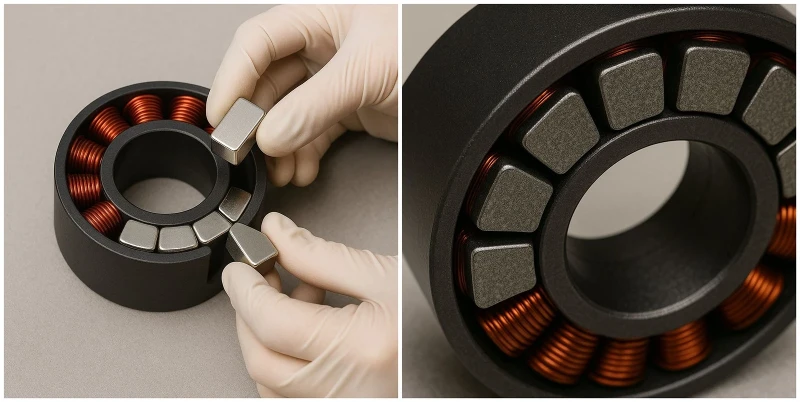
Magnetization direction affects how a tile magnet interacts with the other components in a magnetic assembly. Even when the dimensions and material grade are correct, the wrong orientation can prevent the magnet from working as intended.
Depending on the design, the assembly may require radial or another specified magnetization arrangement. Buyers should clearly identify the required direction, pole positions, and orientation on the drawing or technical specification.
For assemblies containing multiple segments, consistent positioning is particularly important. Confirming the magnetization requirements before production can help prevent installation errors and unnecessary rework.
If the magnet forms part of a new motor design, engineers should review the proposed arrangement against the magnetic circuit before approving the final specification.
Check Dimensional Tolerance and Quality Requirements
Dimensional accuracy matters when several magnets need to fit into the same rotor or housing. Differences in thickness, curvature, or length may affect the air gap and make assembly more difficult.
Therefore, buyers should identify the critical dimensions and specify acceptable tolerances on the drawing. Instead of applying the tightest possible tolerance to every feature, focus on the dimensions that directly affect fit and performance.
It is also useful to agree on inspection requirements before production starts. Depending on the application, these may include dimensional measurements, magnetic flux checks, magnetization direction, and coating inspection.
For repeat orders, keep the approved drawing and inspection criteria consistent. This gives both the buyer and manufacturer a clear basis for checking subsequent batches.
Applications of High Remanence Tile Magnets
•High Remanence Tile Magnets are commonly considered for applications that use curved magnetic segments in rotating assemblies.
•In brushless DC motors, they can form part of the rotor magnetic system used in fans, household appliances, and industrial equipment. Generator designs may also use tile-shaped magnets to establish the required magnetic field.
•Other applications include automotive actuators, HVAC equipment, and selected magnetic coupling systems. The appropriate specification varies with the required output, installation space, temperature, and operating cycle.
•For buyers evaluating a custom magnet, the intended application is an important starting point. Sharing these details helps the manufacturer assess the design requirements instead of recommending a grade based on magnetic strength alone.
Custom High Remanence Tile Magnets
Different motor designs require different magnet specifications. Factors such as arc shape, dimensions, magnetic grade, and magnetization direction all need to match the intended application.
Jinconn provides custom permanent magnets based on customer drawings, samples, or technical requirements. To help us assess your project, please include key details such as magnet dimensions, operating temperature, surface treatment, and order quantity. You can also specify any dimensional tolerances, inspection standards, or packaging requirements.
Our team will review the information and discuss the specifications with you before production.
Looking for High Remanence Tile Magnets for your motor or generator? Contact Jinconn with your drawing or sample to discuss your requirements and available options.