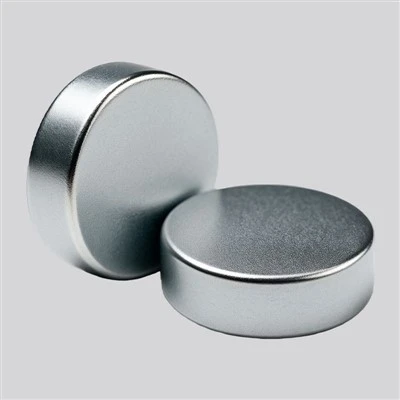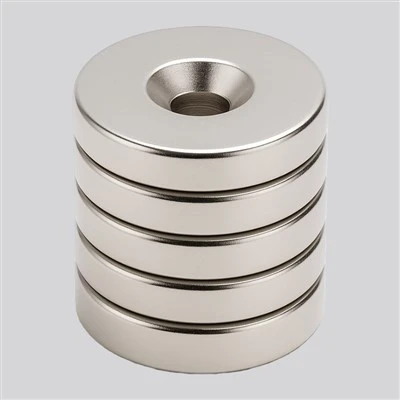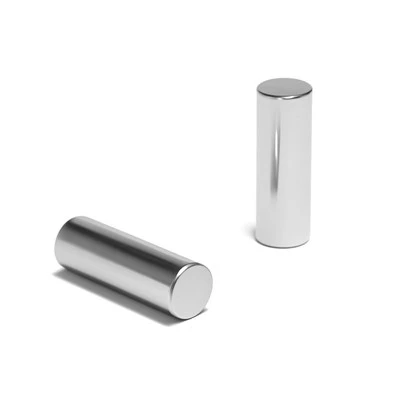
U-shaped magnets are commonly used in motors, generators, sensors, automation equipment, and other magnetic assemblies. Their curved shape allows them to fit specific structures and maintain a controlled position within the magnetic circuit.
However, standard U-shaped magnets do not always match the requirements of a finished product. The radius may be unsuitable, the coating may not fit the working environment, or the magnetic properties may not be enough for the application.
This is where custom corrosion resistant u shaped magnets become useful. The magnet can be specified around the actual product requirements, including size, magnetic grade, coating, operating temperature, and magnetization direction.
For long-term production, consistency matters just as much as the initial specification.
Application-Based Magnet Selection
Magnet selection should begin with the application rather than the highest available magnetic grade. A motor, sensor, or automation component may have limited installation space and a defined air gap. In these cases, the magnet needs to fit the surrounding structure closely. The inner radius, outer radius, thickness, and positioning can all affect the final magnetic performance.
The working environment also needs to be considered. Moisture, humidity, temperature, and repeated operation may place different demands on the magnet. For this reason, precision custom corrosion resistant u shaped magnets are often developed from a drawing, sample, or specific application requirement instead of using a standard catalog size.
Specifications to Confirm Before Ordering
A clear specification can make the quotation and production process more straightforward.
For custom corrosion resistant u shaped magnets, the main information usually includes:
•Overall length, width, and thickness
•Inner and outer radius
•Dimensional tolerance
•NdFeB grade or required magnetic properties
•Magnetization direction
•Surface coating
•Operating temperature
•Quantity
•Application or assembly information
Not every project has a complete specification at the beginning. Some applications start with a physical sample, while others begin with a target magnetic performance and available installation space. A supplier with suitable engineering support can use this information to develop the final magnet specification.
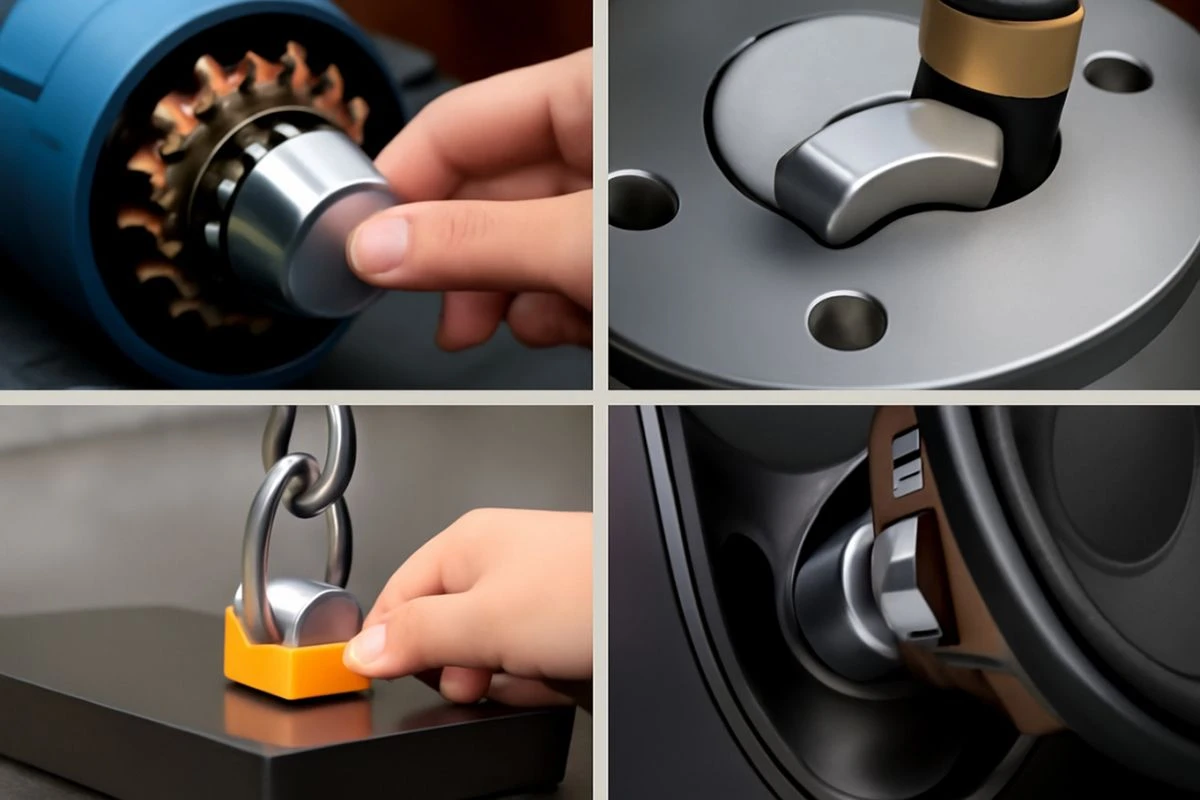
Coating and Corrosion Resistance
NdFeB magnets often require surface protection, particularly in applications exposed to humidity or other corrosive conditions.
The coating should be selected according to the environment rather than treated as a standard option. Nickel-based and zinc-based coatings are commonly used, but the final choice depends on factors such as moisture exposure, assembly method, operating temperature, and expected service conditions.
For products that need long-term environmental resistance, durable custom corrosion resistant u shaped magnets can provide a better fit than a standard magnet with a general-purpose coating. Coating quality also matters during production. Uneven coverage, exposed areas, poor adhesion, or surface damage can affect the service life of the finished component.
Temperature and Magnetic Stability
•Operating temperature should be considered before the material grade is finalized.
•NdFeB materials respond differently to higher temperatures, so the selected grade should match the actual working conditions. A magnet that performs well at room temperature may not provide the same level of stability when continuously exposed to elevated temperatures.
•Jinconn's current product information lists N42 U-shaped magnets with an operating temperature of up to 80°C, while higher-temperature versions can be customized according to application requirements.
•For equipment operating at higher temperatures, high-temperature custom corrosion resistant u shaped magnets may be a more suitable option. Where resistance to demagnetization is important, a high-coercivity NdFeB grade can also be considered.
Magnetic Circuit Matching
•Magnet strength is only one part of a magnetic system. The air gap, magnet shape, surrounding components, and magnetization direction also influence the result.
•Jinconn supports Nd magnetic circuit matching as part of its custom magnet service. This allows the magnet to be considered together with the rest of the magnetic structure rather than selected only by its material grade.
•In motor and generator applications, for example, the U-shaped magnet may need to follow a curved surface while maintaining a controlled air gap. The radius, dimensions, and magnetization direction all need to correspond with the assembly.
•A suitable magnetic design can also reduce repeated trial-and-error during product development.
Typical Applications
•Custom corrosion resistant u shaped magnets for motors are commonly used where curved geometry, stable magnetic performance, and environmental resistance need to be combined.
•Motors and generators may require controlled dimensions, suitable temperature characteristics, and stable magnetic output over long operating periods.
•Electric vehicle systems and renewable energy equipment can have similar requirements, particularly when components operate continuously or in changing environmental conditions.
•Industrial automation is another common application. Motors, actuators, sensors, and related equipment often have strict space limitations, making customized magnet dimensions important.
•Compact electronic products may require custom magnetization or geometry as well. In a small assembly, even a minor change in magnet size or orientation can affect positioning and performance.
•Because application conditions vary, there is no single U-shaped magnet specification that suits every product.
Consistency From Sample to Mass Production
•For a prototype, the main goal is to confirm that the magnet meets the design and test requirements. Once production begins, consistency between batches becomes more important.
•Jinconn manages magnetic properties at the batch level and records key values such as Br, Hcj, and (BH)max. This provides a reference for comparing pilot production with subsequent production runs.
•The same principle applies to dimensions and surface quality. Consistent tolerances and coating conditions help reduce unexpected changes during assembly and support more stable repeat orders.
•This becomes especially useful for products that remain in production for several years or require regular replenishment.
Custom Supply for Branded Products
For brands, sourcing is rarely about a single order. The same magnet may need to be supplied repeatedly over the life of a product.
That makes dimensional consistency, magnetic stability, coating quality, and production capacity important factors alongside price.
Jinconn supplies customized NdFeB magnets and magnetic assemblies based on drawings, samples, specifications, and application requirements. The company also supports magnetic circuit matching, batch-level performance records, and quality feedback throughout the supply process.
For NdFeB custom corrosion resistant u shaped magnets, this provides a way to develop the magnet around the product instead of making the product fit a standard magnet.
Conclusion
Choosing the right U-shaped magnet involves more than selecting a magnetic grade. Size, tolerance, coating, operating temperature, magnetization direction, and magnetic circuit requirements all need to match the application.
Custom corrosion resistant u shaped magnets can be a suitable option when a standard magnet does not meet the required dimensions, environmental conditions, or magnetic performance. Depending on the application, the design can be adapted for motors, generators, EV systems, automation equipment, sensors, and other magnetic assemblies.
Jinconn provides custom NdFeB U-shaped magnets based on drawings, samples, and application requirements. The company also supports magnetic circuit matching, batch-level magnetic performance records, and quality analysis to help maintain consistent supply over the course of a project.