Magnetic printing has been explored for some time as a method for transferring images or text onto surfaces using magnetic fields. A common question we hear from customers is whether cylindrical magnets can work effectively in these applications. This post looks at the science behind magnetic printing and evaluates the suitability of cylindrical magnets for this purpose.
Key Takeaways
| 🧲 Cylindrical magnets offer practical advantages | Their shape suits rotating printing mechanisms, such as magnetic drums, and allows for smooth integration into existing equipment. |
| 📐 Field distribution affects print quality | Even magnetic fields help ensure consistent ink transfer-uneven fields can cause patchy or distorted prints. |
| 🛡️ Corrosion resistance matters | Industrial printing environments often expose magnets to chemicals and moisture; protective coatings extend service life. |
| 🔬 Ink-magnet compatibility requires testing | Different magnetic inks respond differently to magnetic fields; the right pairing is essential for good results. |
| 💰 Cost vs. benefit trade-off | Magnetic printing can be more expensive than conventional methods, but it offers unique advantages in security and specialty applications. |
Understanding Magnetic Printing
Magnetic printing relies on the interaction between magnetic fields and magnetic inks. A magnetic pattern is created on a printing plate or drum, which then attracts magnetic ink particles. These particles are transferred onto a substrate-paper, fabric, or other materials-to form the desired image or text.
Two main methods exist:
Direct magnetic printing: The magnetic field is applied directly to the substrate, causing magnetic ink to adhere to specific areas.
Indirect magnetic printing: An intermediate medium, such as a magnetic drum or belt, transfers the magnetic pattern and ink to the substrate.
Properties of Cylindrical Magnets Relevant to Printing
Cylindrical magnets have several characteristics that make them potentially useful in magnetic printing.
Magnetic Field Strength: Stronger magnetic fields attract and hold magnetic ink particles more effectively, which helps produce clear and sharp image transfer. Magnets with high coercive force maintain their field strength even when exposed to external magnetic fields or physical stress-an important factor for consistent printing results.
Magnetic Field Distribution: Even field distribution helps ensure uniform ink transfer across the printing surface. Uneven fields can lead to patchy printing or ink buildup in certain areas. Well-engineered cylindrical magnets provide relatively homogeneous field distribution.
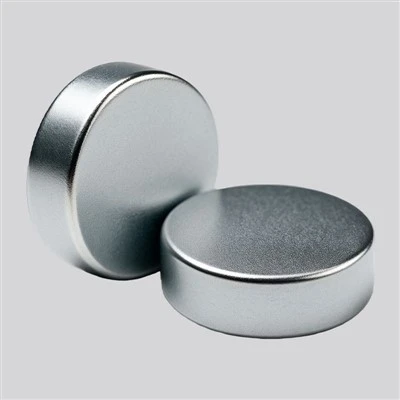
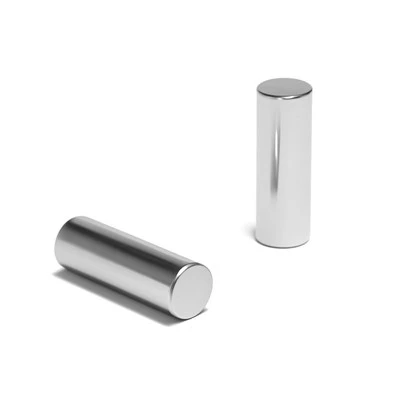
Size and Shape: The round cross-section of cylindrical magnets allows for smooth rotation in printing mechanisms, such as magnetic drums. Smaller cylindrical magnets can fit into compact printers or specialized devices where space is limited.
Corrosion Resistance: Printing environments often expose magnets to chemicals, inks, and moisture. Coated cylindrical magnets resist corrosion, which helps maintain performance and prolongs service life in demanding conditions.
Stability: Printing processes require consistent performance. Magnets that resist demagnetization over time and maintain their properties under continuous use and temperature changes are better suited for production environments.

Challenges and Considerations
While cylindrical magnets offer potential benefits, several factors require attention.
Ink Compatibility: Not all magnetic inks respond the same way to magnetic fields. Different inks have varying magnetic susceptibilities, which affects how they interact with the magnet. Thorough testing is needed to find the right ink-magnet pairing for a given application.
Printing Resolution: Achieving high-resolution prints with magnetic methods can be difficult. The size of magnetic particles in the ink and the precision of magnetic field control both limit the level of detail achievable. Advanced manufacturing techniques and precise magnet engineering can help improve resolution.
Cost: Magnetic printing equipment and materials can cost more than traditional printing methods. High-quality cylindrical magnets and specialized inks add to the initial investment. However, the long-term benefits-such as durability and unique printing effects-may justify the higher upfront cost for certain applications.
Potential Applications
Despite the challenges, several applications show promise for cylindrical magnets in magnetic printing.
Security Printing: Magnetic ink is often used to prevent counterfeiting. Cylindrical magnets can create intricate magnetic patterns on currency, certificates, and other important documents. These unique magnetic signatures can be verified using magnetic readers, adding an extra layer of security.
Textile Printing: Magnetic printing offers an alternative approach for fabric decoration. Cylindrical magnets can transfer magnetic inks onto textiles, creating durable designs. This method may work particularly well for stretchy or delicate fabrics where traditional methods risk distortion.
Industrial Labeling: Magnetic printing can be used for labeling products and components in industrial settings. Cylindrical magnets can be integrated into automated systems, allowing for fast and accurate labeling of large volumes of items.
Conclusion
Cylindrical magnets show significant potential for magnetic printing applications. Their strong magnetic fields, suitable shape, corrosion resistance, and stability make them a viable option for various printing processes. However, challenges related to ink compatibility, printing resolution, and cost need to be addressed through testing and careful specification.
As a supplier of cylindrical magnets, Jinconn provides high-quality products for industrial applications, including printing. Our coated cylindrical magnets offer additional protection and consistent performance in demanding environments.
For those interested in using cylindrical magnets in magnetic printing projects, we are happy to discuss requirements. Our team can provide product information, technical support, and assistance in selecting the right magnets for your needs. Contact us to explore procurement options and potential partnerships.
📧 Email: Info@jinconn.com
📱 Phone/WhatsApp: +86 13829120676
📍 Address: Xiaohe Industrial Zone, Daojiao Town, Dongguan City, Guangdong, China