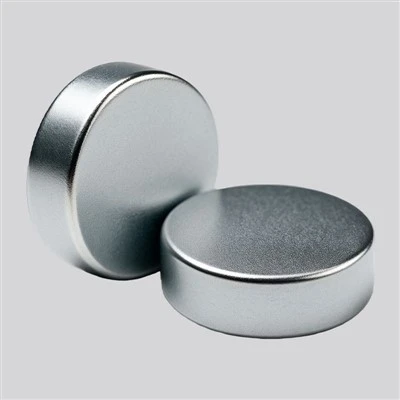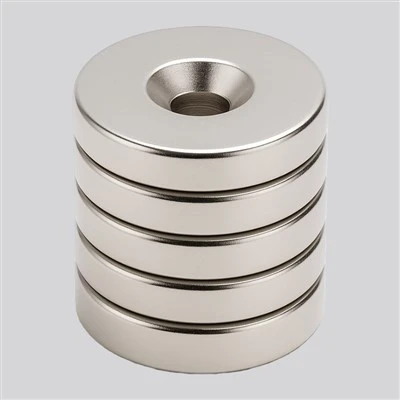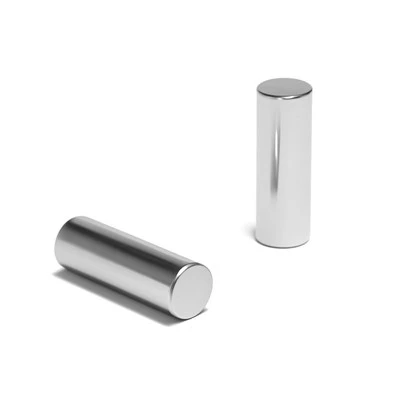
Rare earth bar magnets deliver strong magnetic performance in a compact rectangular form, making them useful in automotive sensors, industrial automation, medical devices, and renewable energy systems. However, moisture, high temperatures, and corrosive contaminants can shorten their service life. This guide explains how to specify and protect rare earth bar magnets for demanding applications.
Key Takeaways
| 🧲 Material grade matters | Choose the right NdFeB grade (N35–N56) with temperature suffixes (M, H, SH, UH, EH) for your operating environment. |
| 🛡️ Coating is your first defense | Ni-Cu-Ni for general use; epoxy for harsh conditions; parylene for specialized applications. |
| 🌡️ Temperature cycling creates hidden risks | Condensation from daily temperature swings can corrode magnets even without direct water exposure. |
| 🔧 Customization prevents failure | Standard catalog magnets often fall short-custom grades, coatings, and assemblies deliver longer service life. |
| ✅ Testing validates durability | Salt spray, thermal cycling, and flux mapping confirm real-world performance. |
Why Durability Matters for Rare Earth Bar Magnets
Rare earth bar magnets, particularly sintered NdFeB types, offer high magnetic energy density among permanent magnets. Their rectangular shape provides uniform flux distribution and extended contact area, which suits precision assemblies and space-limited designs.
However, the same material properties that give them strength-neodymium, iron, and boron-also make them prone to corrosion. The multiphase structure of sintered NdFeB creates areas with different electrochemical behavior, which can accelerate localized corrosion when moisture reaches the surface. Research has shown that chloride-containing and acidic environments are particularly aggressive.
For procurement engineers and product developers, the question is not whether rare earth bar magnets can handle harsh conditions, but how to specify the right combination of material grade, coating, and assembly design to ensure long-term reliability.
How Moisture, Heat, and Chemicals Attack Your Magnets
| Threat | What Happens | How to Stop It |
|---|---|---|
| 💧 Moisture & Humidity | Corrosion starts on unprotected surfaces; high humidity damages without direct water contact | Apply multi-layer Ni-Cu-Ni or epoxy coatings |
| 🌡️ Temperature Extremes | Above 80°C, magnetic strength declines; thermal cycling creates condensation | Select SH/UH/EH grades for high-heat; use sealed assemblies |
| 🧪 Salt & Chemicals | Chlorides accelerate corrosion-coastal and industrial environments are high-risk | Use epoxy or parylene; specify marine-grade protection |
| ⚡ Mechanical Stress | Magnets are brittle-impact or vibration can cause chipping or cracking | Use proper handling; consider potting or overmolding |
| 🕳️ Coating Defects | Pinholes or edge gaps allow corrosion to start from inside out | Verify uniform coating thickness; inspect for coverage |
How to Specify Durable Rare Earth Bar Magnets
1. Select the Right Material Grade
The base grade (N35 to N56) determines magnetic strength, while suffix letters indicate temperature resistance:
| Grade Range | Max Operating Temp | Best For |
|---|---|---|
| N35–N52 (no suffix) | Up to 80°C | Indoor, moderate environments |
| M, H | 100–120°C | Automotive, industrial |
| SH, UH, EH | 150–200°C | Motors, wind turbines, aerospace |
Higher temperature grades include dysprosium or terbium to maintain coercivity at elevated temperatures. This slightly reduces maximum magnetic energy, so the goal is finding the optimal balance for your application-not the highest grade available.
2. Choose the Right Coating
Coating is the primary defense against corrosion for rare earth bar magnets.
| Coating Type | Best For | What Makes It Good |
|---|---|---|
| Ni-Cu-Ni | General indoor and moderate environments | Three-layer protection; industry standard |
| Epoxy | Harsh or corrosive environments | Thicker barrier; excellent chemical resistance |
| Zinc | Moderate environments | Cost-effective alternative |
| Gold / Parylene | Medical, aerospace, specialized | High-performance; biocompatible |
The best coating depends on your environment-occasional condensation differs from continuous moisture, and industrial chemicals need different protection than salt spray.
3. Consider the Full Operating Environment
Many product failures trace back to incomplete environmental specifications. When sourcing rare earth bar magnets, ask:
Exposure pattern: Occasional splashing vs. continuous humidity vs. repeated condensation
Temperature cycling: Day-night changes can create condensation even inside sealed housings
Chemical exposure: Salts, acids, or cleaning agents in the environment
Mechanical design: A magnet inside a sealed assembly has different requirements from an exposed one
4. Evaluate the Manufacturing Process
A supplier's manufacturing capabilities directly affect durability:
Process control: Hydrogen decrepitation, jet milling, and magnetic alignment affect microstructure and corrosion resistance
Dimensional tolerances: Tight tolerances (±0.05mm) ensure proper fit and consistent performance
Coating quality: Uniform thickness and adhesion prevent pinholes where corrosion starts
Testing: Salt spray, thermal cycling, and flux mapping verify durability
Jinconn Magnet: Durable Rare Earth Bar Magnets for Demanding Applications
Jinconn Magnet has manufactured rare earth bar magnets since 2011, with over 15 years of experience in custom NdFeB solutions. The company's capabilities address the full range of durability concerns:
What Jinconn Offers
| Capability | What It Means for You |
|---|---|
| Custom Manufacturing | Magnets to your drawings, with grade options N35–N56 and temperature-stable SH/UH/EH variants. Tolerances to ±0.05mm. |
| Coating & Protection | Ni-Cu-Ni standard; epoxy, zinc, parylene for demanding environments. Coating integrity verified to prevent defects. |
| Engineering Support | Early consultation to review designs, recommend grades, and specify coatings based on your operating environment. |
| Quality Management | ISO 9001 & IATF 16949 certified. Traceability, salt spray, thermal cycling, and flux testing built into production. |
| Magnet Assembly | Bonding, overmolding, and precision integration for finished assemblies. |
| Industries Served | Automotive, consumer electronics, industrial automation, renewable energy, medical, aerospace. |

FAQ: Rare Earth Bar Magnet Durability
Q1: Can rare earth bar magnets be used outdoors?
Yes. Use epoxy or Ni-Cu-Ni coatings and ensure the housing minimizes direct moisture exposure.
Q2: What coating is best for high-humidity environments?
Epoxy provides the thickest barrier for high-humidity or chemically aggressive environments. Ni-Cu-Ni works well for moderate humidity.
Q3: How does temperature affect corrosion resistance?
Temperature cycling creates condensation. Higher temperatures also accelerate chemical reactions. Specify the correct temperature grade and coating together.
Q4: How do I test if my magnets are corrosion-resistant?
Request salt spray test results. For critical applications, conduct third-party environmental testing that simulates your actual conditions-temperature, humidity, and chemical exposure.
Q5: Can rare earth bar magnets be waterproof?
No magnet is truly "waterproof" indefinitely. Proper coating and assembly design provide excellent water resistance for the expected exposure duration.
Q6: What is the typical lifespan of a coated rare earth bar magnet?
In indoor, moderate conditions, coated magnets can last decades. In harsh outdoor or chemical environments, lifespan depends on coating integrity and exposure severity.
Ready to Discuss Your Rare Earth Bar Magnet Requirements?
Jinconn Magnet provides custom rare earth bar magnets for brands that need to balance magnetic strength, dimensional accuracy, environmental durability, and production consistency.
📧 Email: Info@jinconn.com
📱 Phone/WhatsApp: +86 13829120676
📍 Address: Xiaohe Industrial Zone, Daojiao Town, Dongguan City, Guangdong, China