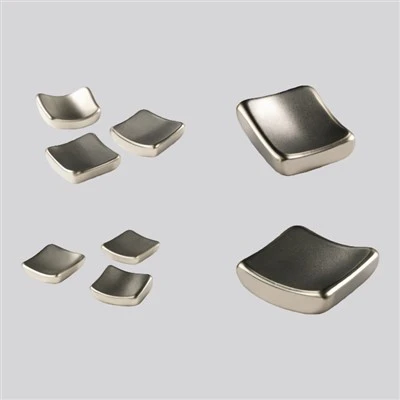

Nickel plating is a common surface treatment method for tile magnets, which not only enhances the appearance but also provides numerous practical benefits. As a Nickel Plating Tile Magnets supplier, understanding the relationship between nickel plating and a magnet's residual magnetic flux density is crucial. This blog aims to explore this relationship, delve into the science behind it, and explain why it matters for various applications.
Understanding Residual Magnetic Flux Density
Residual magnetic flux density, often denoted as Br, is a fundamental property of a magnet. It represents the magnetic flux density that remains in a magnet after it has been magnetized to saturation and then the external magnetic field is removed. In simpler terms, it measures the strength of the magnetic field a magnet can maintain on its own.
The value of Br is influenced by several factors, including the material composition of the magnet, its manufacturing process, and its physical structure. For tile magnets, which are used in a wide range of applications from industrial machinery to household appliances, having an optimal residual magnetic flux density is essential for ensuring their performance.
The Role of Nickel Plating
Nickel plating is a process in which a layer of nickel is deposited onto the surface of a magnet. This can be done through various methods, such as electroplating or electroless plating. The primary reasons for nickel plating tile magnets are as follows:
1. Corrosion Resistance
One of the most significant advantages of nickel plating is its ability to protect the magnet from corrosion. Magnets, especially those made from certain materials like neodymium, are prone to oxidation and rust. A nickel coating acts as a barrier, preventing moisture and oxygen from reaching the magnet's surface and thus extending its lifespan. For example, Corrosion Resistant Tile Magnets with nickel plating can be used in humid or harsh environments without significant degradation.
2. Improved Appearance
Nickel plating gives magnets a smooth, shiny surface, improving their aesthetic appeal. This is particularly important for applications where the magnet is visible, such as in decorative items or consumer products.
3. Enhanced Durability
The nickel layer adds an extra layer of protection to the magnet, making it more resistant to physical damage, such as scratches and abrasions. This increased durability ensures that the magnet maintains its performance over time.
How Nickel Plating Affects Residual Magnetic Flux Density
Now, let's explore how nickel plating impacts the residual magnetic flux density of a tile magnet.
1. Minimal Direct Influence on Magnetic Properties
From a physical perspective, nickel itself is a ferromagnetic material, but the thin layer of nickel used in plating typically has a minimal direct impact on the magnet's residual magnetic flux density. The magnetic field generated by the magnet is primarily determined by its core material and internal structure. In most cases, the change in magnetic field strength due to the nickel plating is negligible compared to the overall strength of the magnet.
2. Indirect Effects Through Protection
However, nickel plating can have indirect positive effects on the residual magnetic flux density. As mentioned earlier, nickel plating protects the magnet from corrosion. Corrosion can cause the magnet's internal structure to deteriorate, which in turn can lead to a decrease in its residual magnetic flux density. By preventing corrosion, nickel plating helps maintain the magnet's original magnetic properties over time.
For example, if a non - plated magnet is exposed to a corrosive environment, rust may form on its surface and gradually penetrate into the interior, disrupting the magnetic domains within the magnet. This can cause a significant reduction in the residual magnetic flux density. In contrast, a nickel - plated magnet in the same environment is less likely to experience such degradation, ensuring that its magnetic strength remains stable.

Applications and the Importance of the Relationship
The relationship between nickel plating and the residual magnetic flux density of tile magnets has significant implications for various applications.
1. Industrial Applications
In industrial settings, such as in motors, generators, and magnetic separators, tile magnets are often subjected to harsh operating conditions, including high temperatures, humidity, and exposure to chemicals. Strong Magnetic Force Tile Magnets with nickel plating can maintain their residual magnetic flux density over long periods, ensuring reliable operation of these machines. For instance, in a motor, a stable magnetic field is crucial for efficient energy conversion and smooth rotation.
2. Consumer Electronics
In consumer electronics, such as smartphones, speakers, and hard drives, tile magnets are used for functions like vibration motors, audio output, and data storage. High Adhesive Force Tile Magnets with nickel plating can provide consistent performance, as the nickel coating protects the magnet from environmental factors that could otherwise degrade its magnetic properties. This is important for maintaining the quality and longevity of these devices.
3. Construction and Home Improvement
In construction and home improvement projects, tile magnets are used for tasks like installing tile, hanging signage, and organizing tools. Strong Stability Tile Magnets with nickel plating can ensure a strong and reliable magnetic hold. The corrosion resistance provided by the nickel plating is especially beneficial in outdoor or damp indoor environments, where the magnet may be exposed to moisture.

Other Surface Coating Options and Their Comparison
While nickel plating is a popular choice for tile magnets, there are other surface coating options available, such as zinc coating. Zn Coated Tile Magnets offer some advantages similar to nickel - plated magnets. Zinc is also a corrosion - resistant material, and it can provide a protective layer for the magnet.
However, there are some differences between the two. Zinc coating is generally more cost - effective than nickel plating, but it may not offer the same level of aesthetic appeal or durability. Nickel plating provides a smoother and shinier surface, and it is often more resistant to scratching and abrasion.
In terms of their impact on the residual magnetic flux density, both nickel and zinc coatings have minimal direct effects. The key factor is still their ability to protect the magnet from corrosion and physical damage, which indirectly helps maintain the magnet's magnetic properties.
Conclusion
In conclusion, as a Nickel Plating Tile Magnets supplier, I understand the importance of the relationship between nickel plating and the residual magnetic flux density of magnets. While nickel plating has a minimal direct impact on the magnetic field strength, its role in protecting the magnet from corrosion and physical damage is crucial for maintaining the residual magnetic flux density over time.
For various applications, from industrial machinery to consumer electronics and home improvement, the combination of nickel plating and stable residual magnetic flux density ensures reliable performance and durability. Whether you are looking for High Adhesive Force Tile Magnets, Strong Stability Tile Magnets, or other types of tile magnets, the benefits of nickel plating cannot be overlooked.
If you are interested in learning more about our Nickel Plating Tile Magnets or would like to discuss potential purchases and applications, please feel free to reach out. We are always ready to provide you with the best products and solutions tailored to your needs.