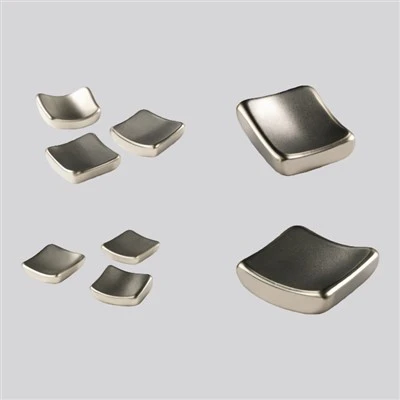

As a trusted supplier of Corrosion Resistant Tile Magnets, I've witnessed firsthand the increasing demand for these specialized magnets in various industries. The standards for corrosion-resistant tile magnets are crucial as they determine the magnet's performance, longevity, and suitability for specific applications. In this blog, I'll delve into the key standards that govern these magnets and why they matter.

Magnetic Performance Standards
The magnetic strength of a tile magnet is one of its most critical features. In most cases, the magnetic performance is measured in terms of the magnetic flux density, which is expressed in units of Gauss (G) or Tesla (T). For corrosion-resistant tile magnets, it's essential to ensure that the coating or treatment applied to prevent corrosion does not significantly reduce the magnetic strength.
Magnets are typically graded according to their maximum energy product (BH)max, which represents the maximum amount of magnetic energy that the magnet can store. Higher (BH)max values indicate stronger magnets. When selecting corrosion-resistant tile magnets, customers often look for magnets with a specific (BH)max rating that meets their application requirements. For instance, applications such as magnetic separators and holding devices may require magnets with a relatively high (BH)max.
Our High Quality Tile Magnets are engineered to maintain excellent magnetic performance even after undergoing corrosion-resistant treatments. We use advanced manufacturing processes to ensure that the magnetic properties are optimized while providing the necessary protection against corrosion.
Coating and Surface Treatment Standards
The primary way to enhance the corrosion resistance of tile magnets is through coatings and surface treatments. Different coating materials offer varying degrees of protection and have their own advantages and limitations.
Zinc (Zn) Coating
Zinc coating is a commonly used method for protecting tile magnets from corrosion. It forms a sacrificial layer that corrodes preferentially to the magnet material, providing an effective barrier against moisture and corrosive agents. The thickness of the zinc coating can vary depending on the expected level of corrosion protection. Zn Coated Tile Magnets are known for their good corrosion resistance in mild to moderate environments. The zinc coating also provides a certain level of mechanical protection to the magnet surface.
Black Epoxy Coating
Black epoxy coating is another popular choice for corrosion-resistant tile magnets. Epoxy coatings offer excellent chemical resistance and can provide a smooth, durable finish. They are particularly suitable for applications where the magnet needs to be protected from harsh chemicals or high humidity. Our Black Epoxy Coating Tile Magnets are carefully coated to ensure uniform coverage and maximum protection. The black color of the epoxy coating can also provide a more aesthetically pleasing appearance.
Adhesive Force Standards
The adhesive force of a tile magnet refers to its ability to stick to a surface. This is an important factor, especially in applications where the magnet needs to hold objects securely. The adhesive force is influenced by several factors, including the magnetic strength, the surface area of the magnet in contact with the surface, and the nature of the surface itself.
For corrosion-resistant tile magnets, maintaining a high adhesive force is crucial. The coating or treatment should not interfere with the magnet's ability to adhere to the surface. Our High Adhesive Force Tile Magnets are designed to provide a strong and reliable adhesive force, even in challenging environments. We conduct rigorous testing to ensure that the adhesive force meets or exceeds industry standards.
Temperature and Heat Resistance Standards
In many applications, tile magnets may be exposed to high temperatures. Therefore, it's important for corrosion-resistant tile magnets to have good heat resistance. High temperatures can cause the magnetic properties of the magnet to degrade, and they can also affect the integrity of the corrosion-resistant coating.
The maximum operating temperature of a magnet is determined by its material composition. For example, neodymium magnets generally have a lower maximum operating temperature compared to samarium-cobalt magnets. When selecting corrosion-resistant tile magnets, it's essential to consider the expected temperature range of the application. Our Heat Resistant Tile Magnets are specially designed to maintain their magnetic properties and corrosion resistance even at elevated temperatures.
Dimensional and Tolerance Standards
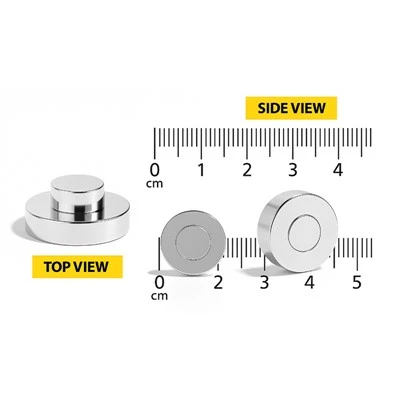
The dimensions of a tile magnet are also important, especially in applications where precision is required. The magnet should have accurate dimensions to ensure proper fit and functionality. Tolerances for dimensions such as length, width, and thickness are typically specified according to industry standards.
As a supplier, we adhere to strict dimensional and tolerance standards to ensure that our corrosion-resistant tile magnets meet the requirements of our customers. We use advanced manufacturing and quality control processes to ensure that the magnets are produced with high precision.

Quality Control and Testing Standards
To ensure that our corrosion-resistant tile magnets meet the highest standards, we implement a comprehensive quality control system. This includes testing the magnetic performance, corrosion resistance, adhesive force, and dimensional accuracy of the magnets.
We use state-of-the-art testing equipment to measure the magnetic properties of the magnets, such as a gaussmeter to measure the magnetic flux density. For corrosion resistance testing, we may use salt spray tests or immersion tests to simulate real-world corrosion conditions. Our quality control team conducts regular inspections and audits to ensure that all manufacturing processes are in compliance with the relevant standards.
The Importance of Meeting Standards
Meeting the standards for corrosion-resistant tile magnets is essential for several reasons. Firstly, it ensures the reliability and performance of the magnets in their intended applications. Magnets that do not meet the standards may fail prematurely, leading to costly downtime and potential safety hazards.
Secondly, compliance with standards is often a requirement for many industries. For example, in the automotive and aerospace industries, strict quality and performance standards must be met to ensure the safety and reliability of the products.
Finally, by providing high-quality, standards-compliant corrosion-resistant tile magnets, we can build trust and long-term relationships with our customers. Our commitment to quality and standards is a key factor in our success as a supplier.
Conclusion
In conclusion, the standards for corrosion-resistant tile magnets cover a wide range of aspects, including magnetic performance, coating and surface treatment, adhesive force, temperature resistance, dimensional accuracy, and quality control. As a supplier, we are dedicated to meeting and exceeding these standards to provide our customers with the best possible products.
If you're in the market for corrosion-resistant tile magnets, we invite you to contact us for a detailed discussion about your specific requirements. Our team of experts is ready to assist you in selecting the right magnets for your application. We look forward to the opportunity to work with you and provide you with high-quality, reliable corrosion-resistant tile magnets.