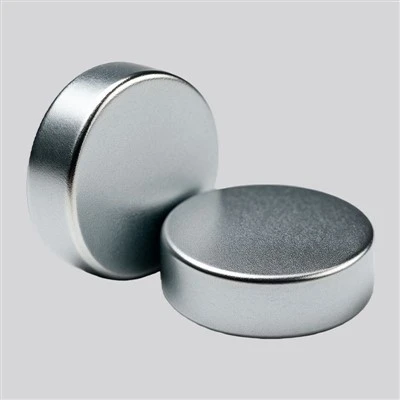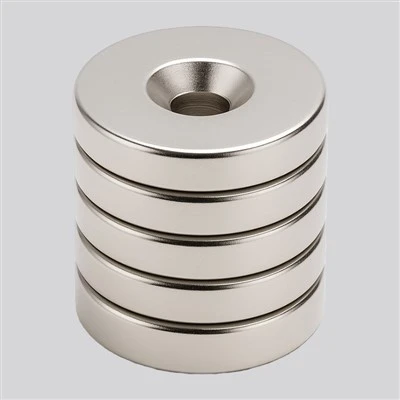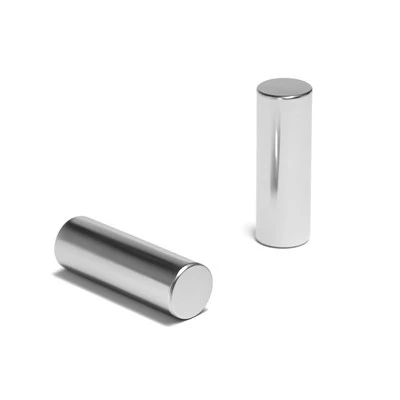
Cylindrical magnets are widely used in motors, sensors, magnetic fixtures, and automation equipment. Choosing the right magnet, however, involves more than matching its diameter and length to the available space. Magnetic strength, dimensional tolerances, operating temperature, and surface coating can all affect its performance and fit within the final assembly.
Custom cylindrical rare earth magnets offer a practical option when standard sizes do not meet specific design requirements. Jinconn supplies custom NdFeB cylindrical magnets made to customer drawings, samples, or application specifications. This allows manufacturers to select suitable dimensions and magnetic properties for their products while taking installation and operating conditions into account.
Cylindrical Rare Earth Magnet Selection Criteria
A cylindrical shape works well in assemblies that use round holes, shafts, housings, or rotating components. Nevertheless, the required specifications vary from one application to another.
For example, a magnet installed in a motor may need to meet specific magnetic and dimensional requirements. In contrast, a magnet used in a positioning fixture may place greater emphasis on holding force and installation clearance.
Standard magnets may not fit these requirements. A magnet that is too large can interfere with nearby components, while insufficient magnetic force may affect the intended function. Therefore, custom cylindrical rare earth magnets allow engineers to specify the dimensions, grade, and magnetization direction according to the actual design.
Before selecting a magnet, it helps to define its function, installation method, available space, and operating environment. These details provide a clearer basis for choosing suitable specifications.
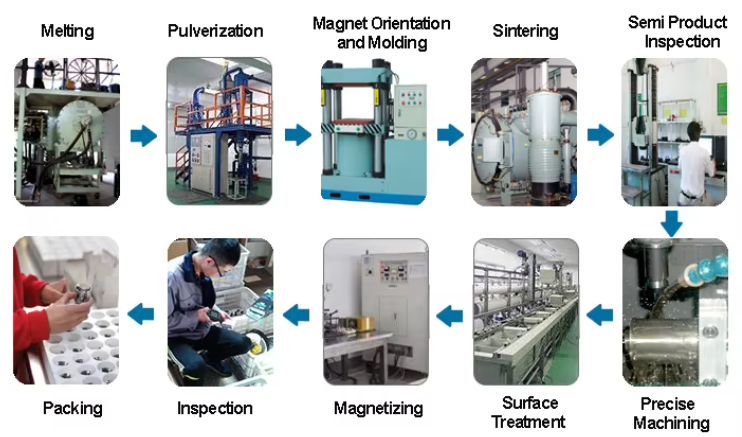
Magnetic Strength and Material Selection
NdFeB magnets offer high magnetic energy in a relatively small volume, making them useful in applications where space is limited. However, the highest available grade is not necessarily the best choice for every design.
The magnetic force produced by a magnet depends on its dimensions, magnetization direction, air gap, and the surrounding magnetic circuit. The arrangement of nearby components also affects the overall result.
For this reason, engineers should evaluate the magnet as part of the complete assembly. High-strength cylindrical rare earth magnets may suit compact motors, magnetic couplings, and other applications that require strong magnetic performance. However, the final grade should reflect both the required force and the operating conditions.
Jinconn offers custom NdFeB cylindrical magnets with specifications selected according to customer requirements. By discussing the application before production, customers can narrow down suitable options without relying on magnetic grade alone.
Dimensional Tolerances and Assembly Fit
Magnet dimensions can affect component clearance, positioning accuracy, and assembly consistency. These details become particularly important when cylindrical magnets fit into machined holes or precision housings.
For precision custom cylindrical rare earth magnets, customers should specify the diameter, length, allowable tolerances, and any critical surface requirements. They should also consider how the magnet will be installed and whether the design requires a particular polarity or magnetization direction.
For reference, Jinconn's product specifications include a D2 × 4 mm cylindrical NdFeB magnet with a stated dimensional tolerance of ±0.05 mm. This is one example of a compact magnet specification, rather than a standard that applies to every product.
Actual tolerances depend on the magnet dimensions, manufacturing process, and agreed technical requirements. Therefore, confirming critical dimensions before production helps reduce fitting issues during assembly.
Operating Temperature and Surface Coating
Temperature is another important consideration, especially for magnets used in motors, power tools, and industrial equipment. NdFeB magnets can lose magnetic performance when exposed to temperatures beyond their suitable operating range.
Engineers should consider the maximum operating temperature, magnetic load conditions, and resistance to demagnetization when selecting a grade. Where necessary, high-temperature cylindrical rare earth magnets can be specified using suitable material grades and coercivity requirements.
Surface protection also deserves attention. NdFeB magnets can corrode in humid environments or under other unfavorable conditions. Depending on the application, manufacturers may consider nickel-based, epoxy, or alternative coatings.
The appropriate coating depends on the operating environment, contact conditions, and assembly process. Consequently, corrosion-resistant cylindrical rare earth magnets should be selected according to actual service conditions rather than coating type alone.
Jinconn can discuss material and coating options based on the customer's technical specifications and intended use.
Applications of Custom Cylindrical NdFeB Magnets
Cylindrical magnets serve different functions across industrial and technical applications. Their dimensions and magnetic properties should reflect the requirements of the equipment in which they will operate.
Common applications include:
Motors and drives: Magnets for selected motor and rotor configurations, servo systems, and power tools.
Magnetic fixtures: Components for holding, positioning, and clamping workpieces or equipment.
Magnetic couplings: Magnets used in compatible contactless rotary drive and pump designs.
Sensors and positioning systems: Magnetic components that provide a defined field for detection and alignment.
Industrial automation: Magnets integrated into equipment mechanisms and automated assemblies.
Precision instruments: Small cylindrical magnets designed for compact spaces and specific magnetic requirements.
For each application, engineers should confirm the required magnetic properties, installation dimensions, operating temperature, and environmental conditions. This information helps determine whether a standard specification will work or whether a custom design is more appropriate.
Jinconn supplies cylindrical NdFeB magnets in different sizes and configurations to support these requirements. Customers can discuss individual magnets or components intended for integration into a larger assembly.
Custom Magnet Solutions for Industrial Applications
Choosing a cylindrical magnet involves more than matching its size to the available space. Magnetic strength, operating temperature, surface coating, and assembly fit also need to be considered. Providing clear technical details helps identify a magnet that meets the needs of the application.
Jinconn supplies custom cylindrical rare earth magnets for OEMs and industrial equipment manufacturers. Customers can share drawings, samples, or application details to discuss dimensions, NdFeB grade, tolerances, magnetization direction, and coating options.
Whether you need magnets for a motor, positioning fixture, or automated equipment, Jinconn can review your requirements and discuss suitable specifications.
Contact Jinconn with your drawings or technical requirements to discuss a custom cylindrical NdFeB magnet for your project.