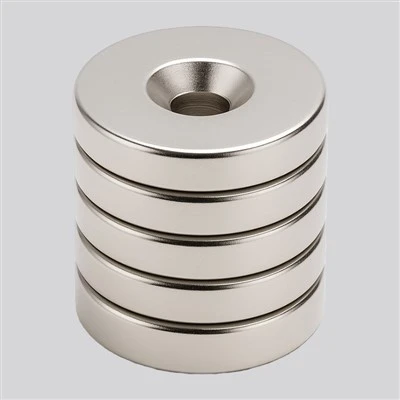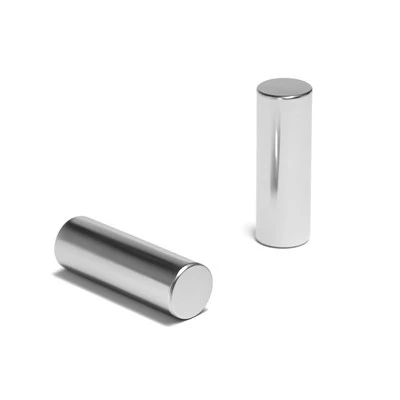
Permanent magnets must deliver consistent magnetic performance to meet the requirements of industrial equipment and electronic devices. However, variations in manufacturing and magnetization can cause differences in magnetic output between individual units. Some magnets may fall below the required flux level, even if they look identical to other products.
A Magnetic Flux Inspection System measures the magnetic flux of each magnet and helps identify products that do not meet the specified limits. This allows manufacturers to separate low-flux magnets before they enter the assembly process or reach customers.
For permanent magnet manufacturers and OEM suppliers, this type of inspection provides a practical way to check product consistency and maintain quality standards during mass production.
How Does a Magnetic Flux Inspection System Work?
A Magnetic Flux Inspection System measures the magnetic flux of a magnet or magnetic assembly using a suitable measurement method.
Manufacturers can then compare the results with their product specifications to determine whether each item meets the required criteria.
Visual inspection alone cannot confirm magnetic performance. Two magnets may look the same but produce different measurement results. Therefore, magnetic testing provides additional information that appearance checks cannot supply.
For example, a manufacturer may require every magnet in a batch to meet a specified minimum flux value. A permanent magnet flux testing system helps check individual products against that requirement, making it easier to identify magnets that need further inspection or separation.
The system does not replace every type of magnet test. Instead, it focuses on magnetic flux, which is an important quality parameter for products designed around specific magnetic performance requirements.
Why Use 100% Magnetic Flux Testing for Quality Control?
Some manufacturers inspect only a sample from each batch. While sampling can help monitor production quality, it may not identify every magnet that falls outside the specified limits.
A 100% magnetic flux inspection system checks each magnet according to an established inspection procedure. This approach is useful when even a small number of low-output magnets could affect assembly performance or lead to additional quality checks later.
For example, a batch may contain magnets that meet the required flux range alongside a few units with readings below the minimum limit. Individual inspection allows manufacturers to identify those units rather than relying on the results of a small sample.
Depending on the system configuration, the inspection process may support:
•Flux measurement: Checking the magnetic flux of each magnet.
•Limit comparison: Comparing readings with predefined acceptance criteria.
•Product screening: Identifying magnets that fall below or outside the required range.
•Result recording: Keeping measurement records when the equipment supports data collection.
The exact functions depend on the equipment design. Manufacturers should confirm whether sorting and data recording are included before selecting a system.
How Does the System Identify Magnets with Low Magnetic Output?
Low magnetic output can become a problem when a magnet fails to meet the requirements of its intended application. In some products, this may affect holding performance, positioning, sensing, or the operation of a magnetic assembly.
A low magnetic flux screening system helps manufacturers identify products with readings below a specified threshold. Operators can then separate these magnets for further evaluation instead of allowing them to move directly into the next production stage.
However, a low reading does not automatically mean that the magnet contains a material defect. The result may also depend on the magnet's dimensions, magnetization direction, measurement setup, and test conditions.
For this reason, manufacturers should establish consistent measurement procedures and acceptance limits for each product model. They should also check whether the measurement method matches the parameter specified in the product drawing or quality standard.
Where Is Magnetic Flux Inspection Used?
•Magnetic flux inspection is useful wherever permanent magnets must meet defined magnetic performance requirements.
•For example, magnet manufacturers may check products after magnetization to verify that they meet the specified range. OEM suppliers may also inspect magnets before assembly to reduce the risk of using components that do not meet the design requirements.
•The inspection setup can vary according to the magnet's shape and application. Disc magnets, ring magnets, block magnets, and custom-shaped NdFeB magnets may require different fixtures or measurement arrangements.
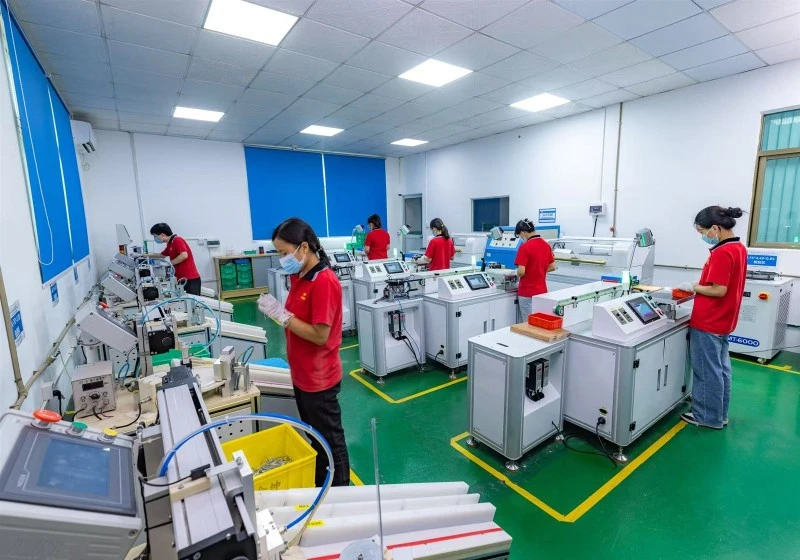
•In high-volume production, an automated magnetic flux inspection system may help reduce repetitive manual work and support consistent screening. However, the actual inspection speed and sorting capability depend on the equipment's design and production setup.
•Manufacturers should therefore assess the complete process, including product positioning, measurement time, handling, and sorting, rather than considering measurement speed alone.
How to Choose the Right Magnetic Flux Inspection System
The right inspection system depends on the product specifications and the requirements of the production line. Before making a decision, manufacturers should clarify several points.
•Measurement requirements: Define the required flux range, minimum acceptable value, and any upper limit. These criteria determine how the system evaluates each magnet.
•Magnet specifications: Provide the dimensions, shape, material grade, and magnetization direction. These details help determine the appropriate measurement arrangement.
•Production volume: Estimate the number of magnets that need inspection and the required cycle time. A manual setup may suit some applications, while higher-volume production may call for a more automated process.
•Sorting and records: Decide whether operators will separate products manually or whether the process needs automatic sorting. If traceability matters, confirm whether the equipment can store individual readings or generate inspection reports.
•Product variations: If the factory produces several magnet models, explain how often specifications change and whether different fixtures or inspection settings will be needed.
By defining these requirements before purchasing equipment, manufacturers can choose a system that fits their actual production process.
Magnetic Flux Inspection for Jinconn Magnets
At Jinconn, magnetic performance is an important consideration in permanent magnet manufacturing. Magnetic flux inspection can help identify magnets that fall below specified performance limits, allowing manufacturers to screen out nonconforming products before delivery. For custom NdFeB magnets and magnetic assemblies, clear inspection criteria also help maintain consistency across production batches. Jinconn works with customers to define magnetic specifications based on their product designs and application requirements, supporting reliable quality control for different OEM projects.